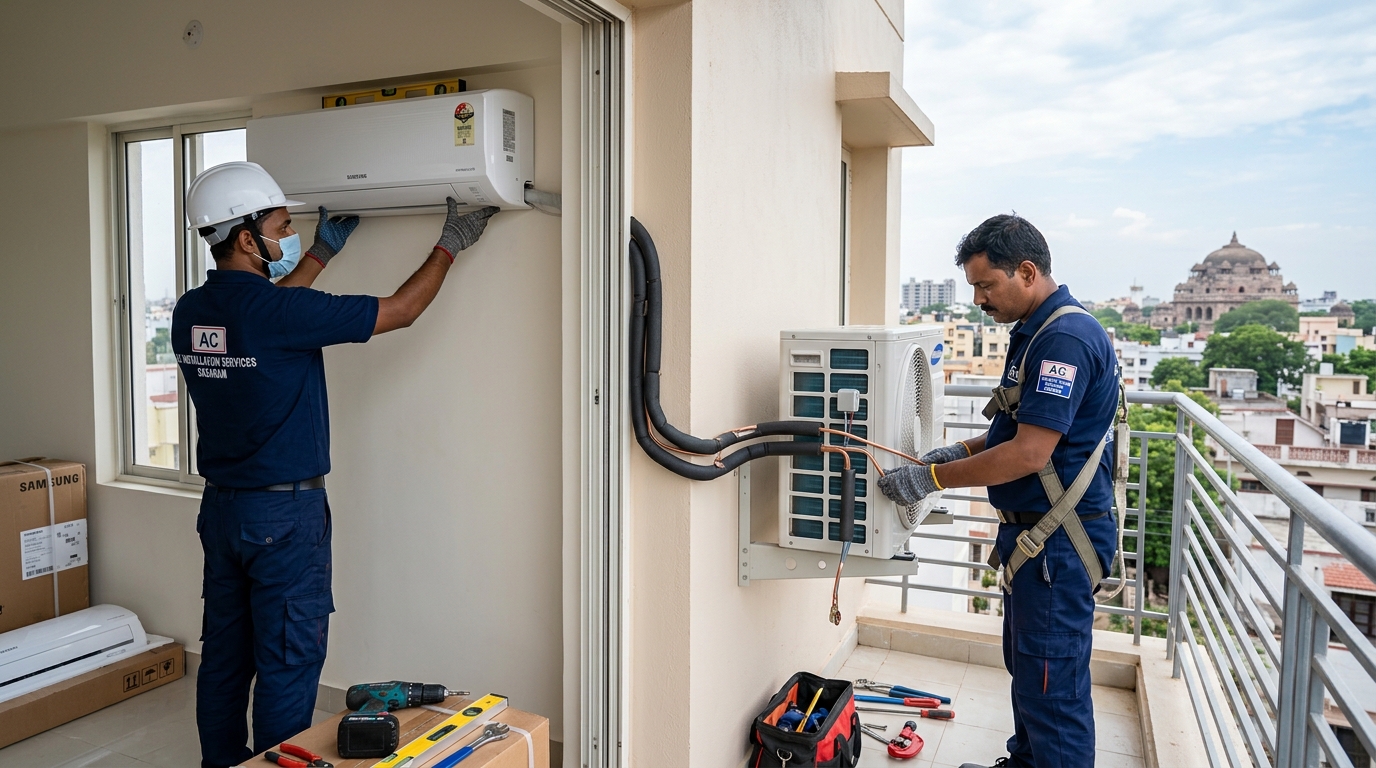
1. Understand Your Air Conditioning Needs
Before thinking about AC installation in Sasaram, assess your space. Consider factors like square footage, number of rooms, and existing ductwork. Central air conditioning works well for larger homes, generally over 1,500 square feet, while ductless systems can be more efficient for smaller spaces, typically up to 1,000 square feet. Understanding your needs helps ensure you choose the right system for effective cooling.
Trained technicians handle AC Repair Sasaram across the area.
2. Choose the Right Type of AC
Select from options such as window units, portable units, or central systems. Each has distinct installation requirements and benefits. For example, window units are cost-effective, usually priced between ₹10,000 and ₹25,000, but may not cool larger spaces as effectively as central systems, which can range from ₹30,000 to ₹60,000. Portable units, which can cost between ₹15,000 and ₹35,000, offer flexibility but may not be as energy-efficient.
3. Check Energy Efficiency Ratings
Look for units with high SEER (Seasonal Energy Efficiency Ratio) ratings. An efficient AC not only saves you money on utility bills—potentially up to 30% less depending on usage—but ensures effective cooling during hot months in Sasaram. Units with a SEER rating of 16 or higher are considered excellent.
4. Hire Qualified Professionals
Proper installation is crucial for maximizing performance and longevity. Hire certified HVAC technicians who understand local building codes and the specific needs of Sasaram residents. Services like AC Repair Sasaram can assist with both installation and future maintenance. Ensure the technicians are experienced with the type of unit you choose, as this knowledge can significantly impact installation quality.
5. Prepare Your Home for Installation
Clear the installation area of furniture and any obstructions. Ensure there’s a suitable electrical outlet, and check that your house can accommodate the AC unit's specifications, such as space for ductwork if installing a central unit. Verify that your home's electrical system can handle the additional load.
6. Schedule Installation Wisely
Summer is peak season for AC installation in Sasaram, often resulting in longer wait times. If possible, schedule your installation during the shoulder seasons of spring or fall for quicker service and potentially better rates. Additionally, try to arrange installation during weekdays, as weekends are busier for HVAC professionals.
7. Understand the Costs Involved
Costs for AC installation typically range from ₹15,000 to ₹60,000 depending on the type of unit and complexity of the installation, including labor and additional material costs, which can add ₹5,000 to ₹10,000. Ensure you get a detailed estimate before beginning the installation, and don’t hesitate to ask about any potential extra charges that might arise during the process.
8. Ask About Warranties and Maintenance Plans
Inquire about warranties not only for the unit but also for the installation. Units may come with manufacturer warranties ranging from 5 to 10 years, while installation warranties should cover any issues that arise within the first year. Additionally, consider signing up for regular maintenance plans, which typically cost between ₹1,500 and ₹4,000 per year, to extend the life of your AC and maintain its efficiency.
9. Know the Warning Signs of Poor Installation
Awareness of signs indicating improper installation, such as uneven cooling, strange noises, or water leaks, can save you from costly repairs later. Pay attention if your energy bills spike unexpectedly or if the AC struggles to maintain a consistent temperature. Address these issues immediately with your technician for prompt resolution.
10. Plan for Seasonal Maintenance
After installation, schedule annual maintenance to ensure your AC system operates optimally. Regular checks, ideally in spring before the hot season begins, can avoid unexpected breakdowns, particularly during the peak heat of summer in Sasaram. Maintenance should include cleaning or replacing filters, checking ductwork for leaks, and ensuring the refrigerant levels are adequate.